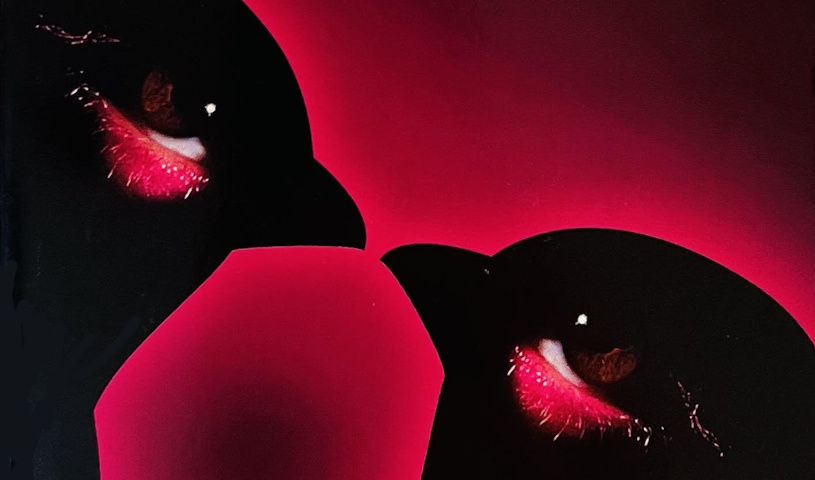
The Good/Evil Writer (Stephen King’s The Dark Half)
Stephen King has some “impenetrable” works — books that are quite difficult to get through on the first try, even though they are not necessarily bad. I’d put The Regulators, Lisey’s Story, Rose Madder, The Girl Who Loved Tom Gordon, and, of course, The Dark Half in this category. I attempted to read The Dark Half about five times before finally finishing it.
Plot
Thad Beaumont is a fiction writer whose books don’t sell particularly well. However, he has a “dark half,” an alter ego — George Stark. Under this pseudonym, Thad publishes violent and vulgar novels… and they sell extremely well. At some point, Thad gets tired of “living a double life” and decides to symbolically “bury” George Stark.
But after staging an improvised funeral and posing for a photo at Stark’s grave, Beaumont has no idea that Stark will literally rise from that very grave—determined to take revenge on those who “killed” him.
Plot Development
By all accounts, The Dark Half should be a great novel. It has an interesting premise, and it was written during the “golden” period of King’s career (the book was published in 1989, a time when King also released It, Needful Things, Misery, and two of the best Dark Tower books — The Drawing of the Three and The Waste Lands). So, what went wrong?
The biggest issue is the pacing — it completely kills the story’s momentum. Events unfold at a painfully slow pace. This is probably the first King novel where he fully indulges in excessive verbosity. Yes, there were hints of this problem in It and The Tommyknockers (which came out right before The Dark Half), but never to such an extreme degree. King spends multiple pages describing a minor character whose only role is to call the police and then disappear from the story. These unnecessary details seriously disrupt the flow and make it difficult to fully immerse oneself in the atmosphere.
Atmosphere
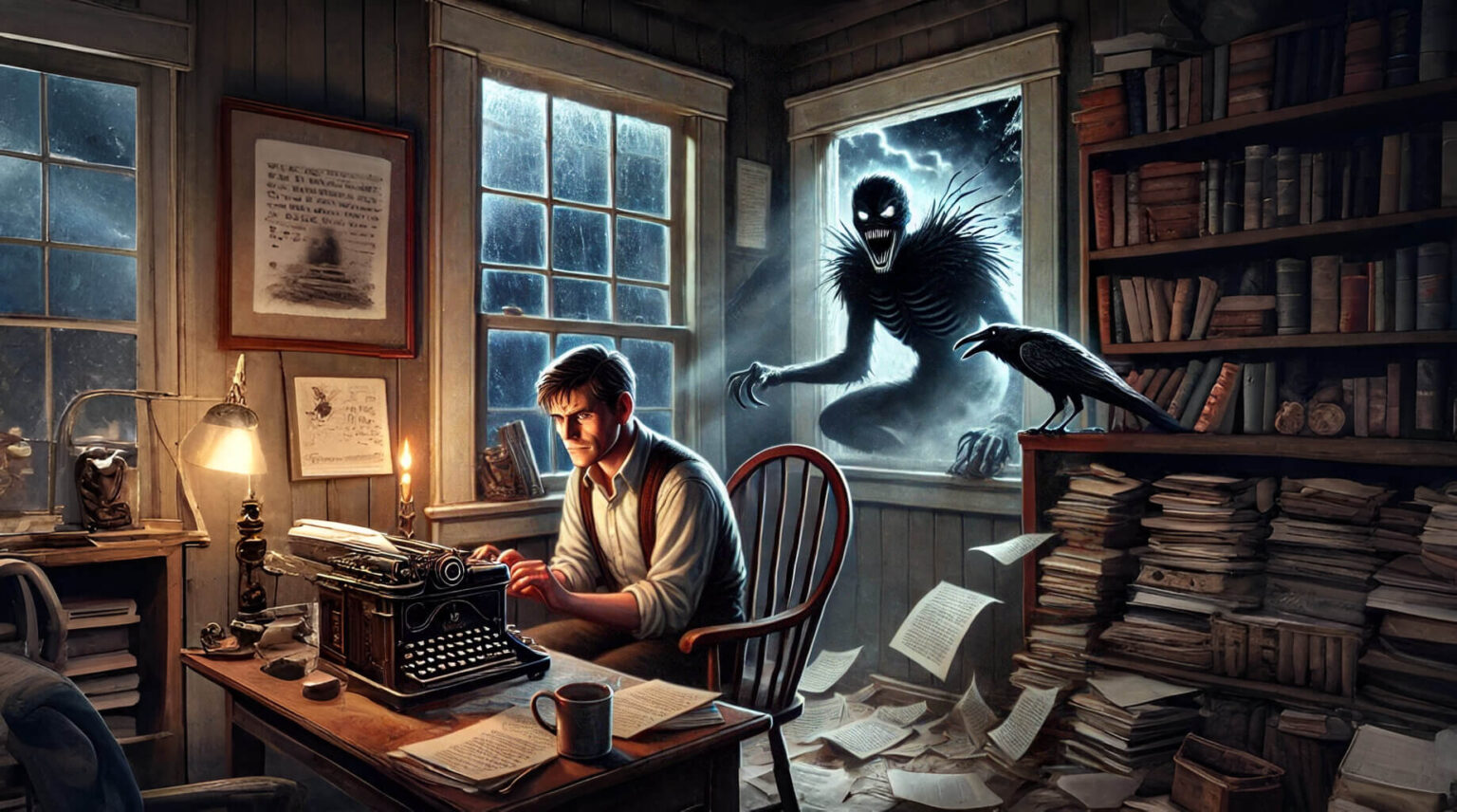
That being said, the book does have a solid eerie atmosphere. King slowly (as already mentioned) builds the plot, sprinkling it with George Stark’s brutal rampages. Some moments are genuinely chilling, but others feel unnecessarily drawn out — stretched across too many extra pages, so instead of fear, the book often provokes frustration. It’s a hefty novel (some editions split it into two volumes), but cutting out about 100 pages wouldn’t have affected the plot—it would have improved the pacing and made the atmosphere more engaging.
Big Idea
Conceptually, The Dark Half explores an intriguing idea — the “dark self” and what happens when it is unleashed. Stark is a violent, ruthless, and unpredictable doppelgänger, embodying all the darkness that Thad has repressed. Essentially, it’s a battle between two versions of the same person, each fighting for survival.
King would later revisit this theme in The Outsider, though in that case, the alter ego is an entirely separate entity rather than a psychological manifestation. Nevertheless, the two stories share noticeable similarities.
King / Bachman
It’s clear that King drew inspiration from his own experiences and the “conflict” he had with his pseudonym, Richard Bachman. (Interestingly, King’s pseudonym partly comes from the name Richard Stark, which itself was a pseudonym used by Donald Westlake, the creator of Parker. George Stark’s name originates from the same source.)
By the time The Dark Half was written, King had already been forced to reveal his “twin” identity, but much like Beaumont and Stark, King and Bachman’s books differed significantly. However, while Stark was more successful than his creator, Bachman only became popular after his books were reissued with Stephen King’s name on the cover.
Film Adaptation
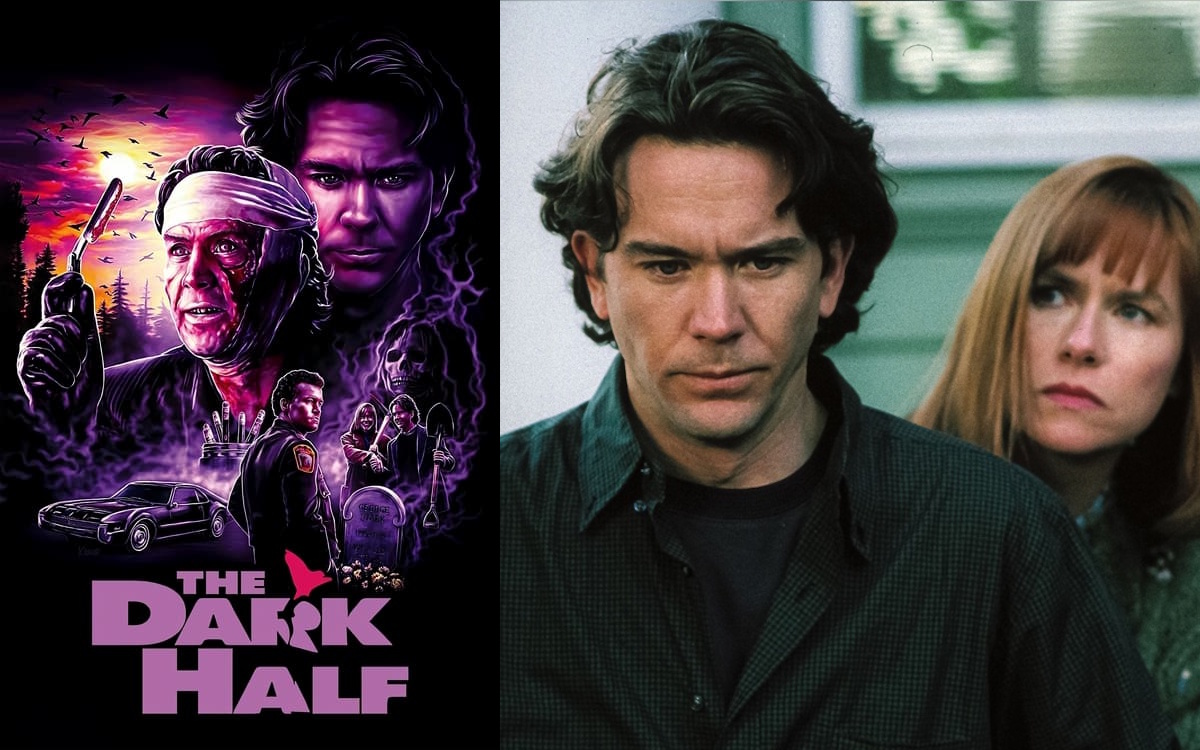
The 1993 film adaptation, directed by George A. Romero, brought a new visual dimension to the story. Timothy Hutton, who played both Thad Beaumont and his sinister alter ego George Stark, did an excellent job portraying the character’s internal conflict and the stark contrast between him and his “dark half.” Though the movie received a lukewarm reception, in my opinion, it tightened the narrative, removing unnecessary details and making the story more dynamic.
Conclusion
King’s The Dark Half is a somewhat disjointed attempt to explore the dark side of human nature and what happens when one tries to “bury” it. The intriguing plot and thought-provoking themes prevent it from being a bad book, but it is in The Dark Half that King’s tendency for excessive verbosity becomes truly noticeable—a tendency that would only grow stronger in his later works.